Tea, Coffee and CBD: Why the Brew Isn't the Problem (But the Dose Might Be)
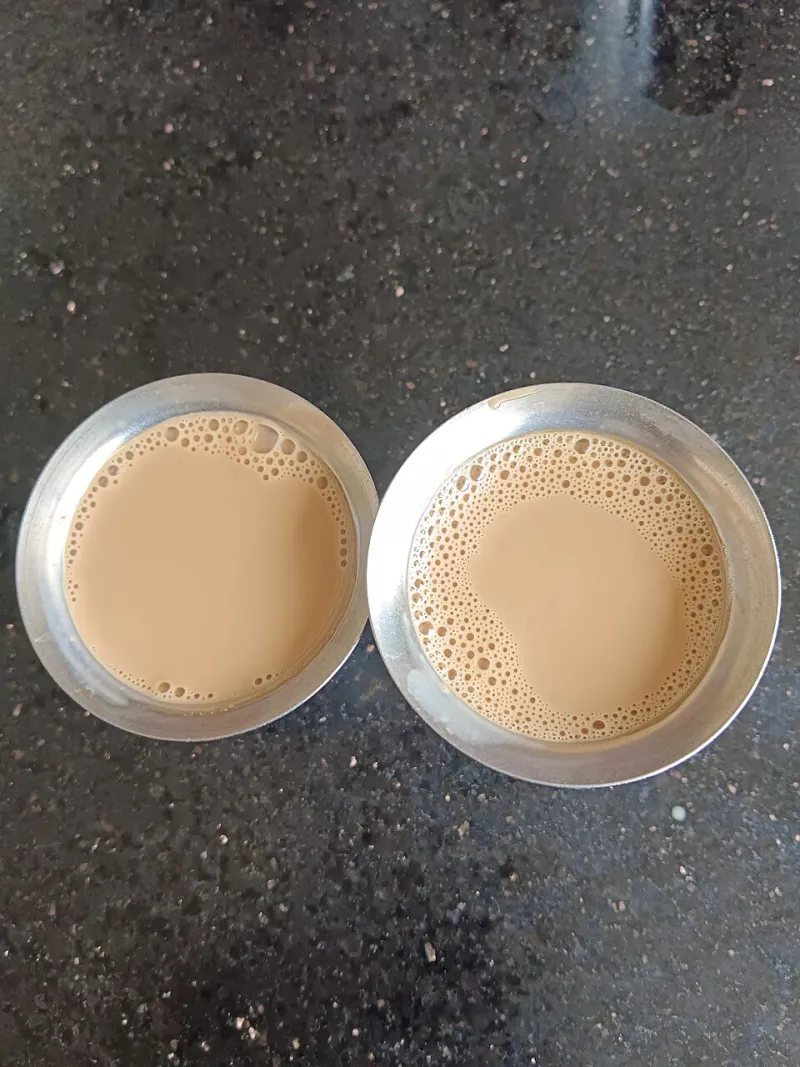
Photo: Darakshanehaluddin, CC0, via Wikimedia Commons
There is a particular kind of UK CBD question that turns up again and again: can I just put it in my tea? The answer is yes, obviously — nobody is going to stop you. But whether the dose lands the way you intended is a slightly more interesting question, and the honest answer is more reassuring than the internet usually allows.
Let us take the mug seriously for a minute.
Oil and water: one paragraph of chemistry
CBD oil is fat-based. Water is not. Those two facts do not negotiate. When you squeeze a dropper into a cup of tea, the oil does not dissolve — it breaks into droplets that float, cling and disperse unevenly. That is the entire basis of the wasted dose worry, and it is only half the story.
So what actually happens in the mug?
Your CBD has not been destroyed. It has been spread about.
Some of the oil disperses into the liquid. Some coats the inside of the mug. Some sticks to the spoon. Some sits on the surface in a thin film that ends up on your top lip rather than in you. When you finish the cup and rinse it out, a small amount of what you paid for goes down the plughole.
That is a delivery problem, not a chemistry catastrophe. The cannabinoids are still there; they are just not evenly distributed, which means the dose you get from a mug is less predictable than the dose you get from the dropper. If you take the same amount the same way every day, the variation tends to even out. If you are trying to work out whether a particular dose suits you, a mug is a noisy way to test it.
Does hot water ruin it?
Boiling water is not an instant kill switch for cannabinoids, but prolonged high heat is not doing the product any favours either. The practical middle ground is easy: make your tea, let it sit for a minute or two, then add the oil. You are not chasing perfect lab conditions — you are avoiding the pointless extreme of stirring it into a rolling boil.
One thing worth flagging: a hot drink is a bad place to hide a dose you are trying to measure. Use the dropper markings, not a squeeze and a hope.
What about milk, and does oat milk count?
Adding milk helps a little, because fat is what oil likes to mix with. Full-fat dairy milk disperses the droplets more finely than water alone, which is likely to mean slightly less clings to the mug and slightly more ends up in you.
Oat milk and other plant milks contain some fat too, so they are not useless here — barista-style oat milk in particular has enough fat to make a visible difference to how the oil behaves in the cup. None of this is a magic absorption switch. Think of it as reducing waste, not multiplying the dose.
The fatty snack question
There is a common claim that CBD is absorbed better alongside dietary fat. The reasoning is straightforward — cannabinoids are fat-soluble, and the body handles them in a way that seems to involve fat metabolism — but the research in humans is still fairly limited, so treat it as a sensible hunch rather than a rule.
In practice, this just means you do not need to take your dose on a completely empty stomach at 6am while running for a train. A spoonful of yoghurt, a bit of toast, a piece of cheese — anything with a little fat in it is a reasonable companion.
Timing around meals: the bit that actually matters
Here is the newsletter version: consistency beats optimisation.
CBD taken with food tends to be absorbed more slowly than CBD taken on an empty stomach, so the effect can feel gentler and later. Neither is right or wrong. What matters is that you pick an approach and stick to it long enough to judge whether it works, rather than changing three variables a week and concluding it is all nonsense.
If you take it twice a day, morning and early evening is a workable pattern for most people. If once, pick the slot you are least likely to forget — and anchor it to something that already happens, like the first cup of the day or brushing your teeth.
Five ways to take it without wrecking the routine
Under the tongue first. Hold the oil under your tongue for a minute or so before swallowing, then chase it with your tea. This is the standard advice and it keeps the dose in one place rather than smeared around a mug.
Tea as a chaser, not a mixer. Squeeze the dose into a spoon or straight into your mouth, then drink. Nothing wasted, nothing clinging to the crockery.
Put it in the porridge. Warm porridge with whole milk or a spoon of nut butter is a genuinely good vehicle — the fat content helps and the temperature is nowhere near boiling.
Stir it into yoghurt. Cold, fatty and easy to measure into. A favourite for anyone who dislikes the taste of oil neat.
Switch format if you keep forgetting. Capsules and gummies exist precisely for the people whose tea goes cold before they remember. There is nothing virtuous about struggling with a dropper.
One caution worth repeating
CBD sold in the UK sits in a slightly odd regulatory space — most of it is sold as a food supplement, not a medicine. If you are taking prescribed medication, particularly anything with a narrow safe dose range, check with a pharmacist before adding CBD to your routine. This is not about tea; it is about how CBD is processed in the body.
The bottom line
A drop of oil in your brew is not a wasted dose. It is a slightly scruffier dose. If you enjoy it and it fits your day, carry on — but measure it properly, keep the tea a shade off boiling, and let a splash of milk do you a small favour. If you want predictability, put the oil under your tongue and use the tea to wash it down.