Check the Register Before Checkout: A UK CBD Shopper's Five-Minute Audit
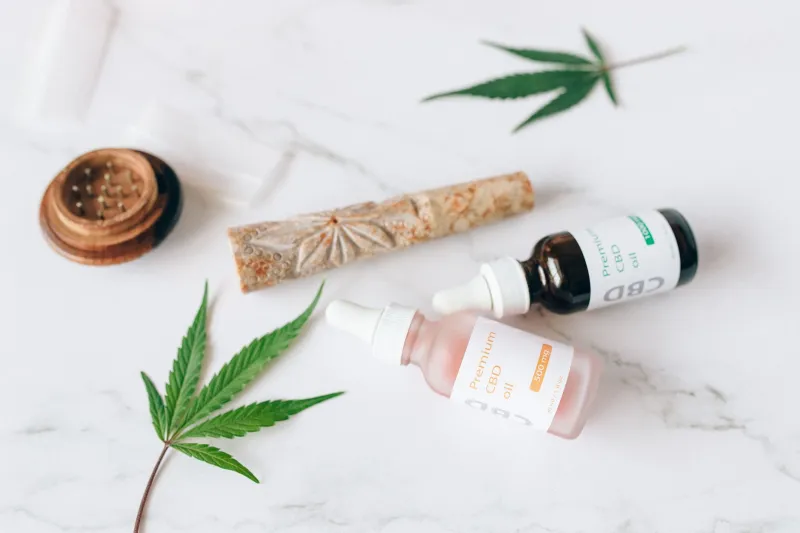
Anyone who has bought CBD in the UK knows the ritual. You land on a slick site, read a paragraph about 'premium hemp', squint at a lab report, and try to work out whether the bottle in your basket is actually allowed to be there. In 2026, the quickest way to cut through that fog is to check the UK's novel food authorisation register before you pay.
Under UK novel food rules, CBD extracts are treated as novel foods. That means they need authorisation before they can be marketed. The Food Standards Agency keeps a public register of authorised novel foods and applications. It is not glamorous. It is not a brand's Instagram grid. But it is the closest thing to a receipt that a shopper can check in five minutes.
One important caveat: the register is a regulatory tool, not a consumer ratings site. A missing entry is a prompt to ask questions, not proof that the sky is falling. A brand might trade under a different legal name, or use a white-label manufacturer whose application covers the product. But if nobody can point you to an entry, that is your answer for now.
Start with the legal name, not the logo
The footer of a website is usually more useful than the homepage. Find the company name, company number and registered address. Search the register using that legal name. If the brand is called 'Purely CBD' but the company is 'Northshire Botanicals Ltd', search the latter. Also search the manufacturer if the site names one. Plenty of UK CBD brands are effectively shopfronts for a handful of producers, and the application may sit with the producer rather than the retailer.
Do not stop at a logo match. Plenty of firms have similar names, and a register result for 'Green Leaf Wellness' is not automatically the same Green Leaf Wellness that sold you a 1000mg oil. Check the company number where possible. If the site hides its legal identity, treat that as a warning sign rather than a quirky design choice.
Match the product, not the promise
A register entry for a 500mg full-spectrum oil is not a blanket pass for a 3000mg isolate spray. Check the applicant, product name, CBD content and any conditions attached to the entry. If the entry is for a food supplement or oil, make sure your item fits that description. Then ask the brand which batch or lot is covered. A decent brand will answer in writing. A wobbly one will send you a blog post about transparency and hope you get bored.
Batch codes matter because products change. A brand can reformulate, switch supplier or move production without changing the front label very much. The batch code on the bottle is your paper trail. If the brand cannot tell you which entry covers that batch, you have learned something useful before spending £40.
Authorised, pending or pure marketing?
Authorised means the product has been through the process and appears with the relevant entry. Pending means an application exists but has not been authorised. That is not the same thing. Marketing teams love the phrase 'novel food application submitted' because it sounds official. It is official paperwork, not an approval. A pending application may be relevant to transitional arrangements, but it is not a green light you can wave at checkout. If a brand blurs the two, treat that as a yellow card.
Be equally suspicious of 'fully compliant' badges with no company name, no authorisation reference and no link to a register entry. Compliance is not a decorative seal. It is a chain of documents. The register is one link in that chain, and it is free to check.
A five-minute checkout checklist
- Find the legal company name and company number on the site.
- Search the novel food register for that name, plus any named manufacturer.
- Match the product type, strength and format, not just the brand name.
- Ask which batch or lot is covered by the entry.
- Check whether the entry is authorised or merely pending.
- Ask customer service to confirm the authorisation reference in writing.
- Compare the answer with the batch code on the bottle you receive.
If any of those steps produce a shrug, a copy-pasted paragraph or a sudden change of subject, pause. You are not being awkward. You are being a customer.
Red flags at online checkout
A missing legal entity is a red flag. So is a register search that returns a different strength or a different product category. 'Approved' claims without an authorisation reference deserve side-eye. So does a customer service team that cannot name the applicant, or a product page that uses 'pending' as if it means 'approved'. No batch code on the bottle or site is another prompt to walk away. So are checkout pressure tactics such as 'last few bottles' combined with a refusal to confirm the paperwork by email.
None of this tells you whether you will like the taste or whether the oil suits you. It tells you whether the seller can back up the basics. In a market full of confident labels, that is worth five minutes.