When Your Trusted CBD Oil Disappears: A Calm UK Replacement Plan
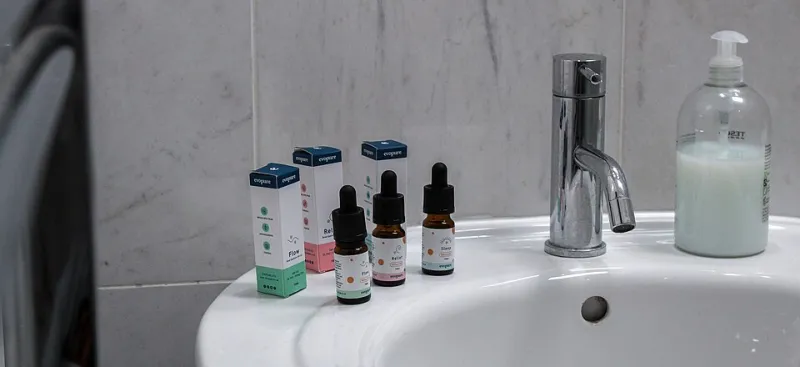
Photo: Evopure, CC BY-SA 2.0, via Wikimedia Commons
One day the page is live. The next it says 'out of stock', then 'sorry, this product is no longer available', and your carefully calibrated routine is gone. Maybe your favourite UK CBD oil has been rebranded, reformulated or quietly retired. It happens more often than the glossy newsletters admit.
Discontinuations are normal in a young market. Brands change manufacturers, tighten margins, tweak carrier oils or consolidate ranges. For shoppers, the trick is not to panic-buy the first replacement with a similar label. It is to work out what changed, compare the paperwork, and transition with a bit of common sense.
First, work out what actually happened
Check the old product page and the new listing side by side. Sometimes the old page lingers with a polite note. Sometimes the brand has moved the product to a new URL and changed the name. Sometimes it has simply vanished. Look for the batch code on your bottle and compare it with the code on any new listing. If the new bottle has a different code, it is not the same batch. That matters because CBD products can vary between batches even when the label looks identical.
Ask for the certificate of analysis for both the old and new batches. A brand that can supply both is easier to trust. A brand that sends one glossy PDF for the new product and nothing for the old one is giving you half the story. You do not need to be a chemist to spot differences in CBD content, minor cannabinoids or carrier oil. You just need to compare the numbers.
Batch codes are your paper trail
Keep the old bottle for a few days, or at least photograph the label and batch code before recycling it. If you have a reaction, a taste change or a dose issue, that code is the first thing anyone will ask for. It also helps you avoid confusing a rebrand with a reformulation. A new logo is cosmetic. A new 'improved formula' is not.
Compare CBD content per ml, total CBD per bottle, carrier oil, spectrum type and any added ingredients. Full-spectrum, broad-spectrum and isolate are not interchangeable, even if the bottle looks the same. If the old oil was 10mg per drop and the new one is 5mg per drop, you have not bought the same thing. You have bought twice the number of drops, and possibly twice the faff.
What 'same formula' is really worth
'Same formula' is a marketing phrase, not a legal guarantee. It can mean the same active ingredient at the same strength. It can also mean 'we kept the word gold on the label'. Ask for the spec sheet. Check the cannabinoid profile and the carrier oil. If the brand cannot explain the change in plain English, assume it is a reformulation until proven otherwise.
This is not about catching anyone out. Formulas do change for legitimate reasons, including supply shortages and regulatory tweaks. But you deserve to know whether you are buying a new bottle of the old thing or a new thing in an old bottle.
Transition without drama
Do not simply swap bottle for bottle and carry on at the same dose. Start with the new product's suggested dose, keep a short diary of when you take it and how you feel, and give it a few days before deciding. If you were on a high daily dose, stepping down gradually before building back up can be gentler. If you take prescription medication, speak to a pharmacist or GP first. CBD can interact with some medicines. This is not the moment for internet bravado.
If the new product tastes different, that is not automatically a problem. Carrier oils and flavourings vary. But if the strength per drop has changed, your old routine may no longer make sense. Measure, note and adjust. A £10 dropper is cheaper than a month of guessing.
Stockpiling: where sensible ends
Stockpiling can be sensible if you have found a batch that works and the expiry date is comfortably ahead. It becomes wasteful when you are buying twelve bottles to save a few pounds and storing them in a warm bathroom cabinet. CBD oil has a shelf life; light and heat are not kind to it. A six-month cushion is reasonable. A cupboard that looks like a small pharmacy is not.
Also check whether 'sale' stock is old batch clearance. A bargain is not a bargain if it expires before you finish the first bottle. If the brand is discontinuing the line, ask how long it will support batch queries and certificates of analysis. That paperwork matters more after the product disappears from the shop.
A short replacement checklist
- Compare mg per ml and total mg per bottle, not just the front label.
- Check carrier oil, spectrum type and any added ingredients.
- Ask for a certificate of analysis for the new batch.
- Confirm the dose per drop before you repeat your old routine.
- Buy one bottle first, especially if the formula has changed.
- Keep the old batch code, receipt and any lab reports.
- Set a reminder before the new bottle's expiry date.
A discontinued product is annoying, but it is not a crisis. Treat it as a prompt to check what you are actually buying, rather than a reason to bulk-buy the first lookalike on the shelf. Your future self, with a tidy cupboard and a bottle that still has six months left on it, will thank you.