Grey Skies, Small Bottles: What CBD Can and Can't Do for a UK Winter Slump
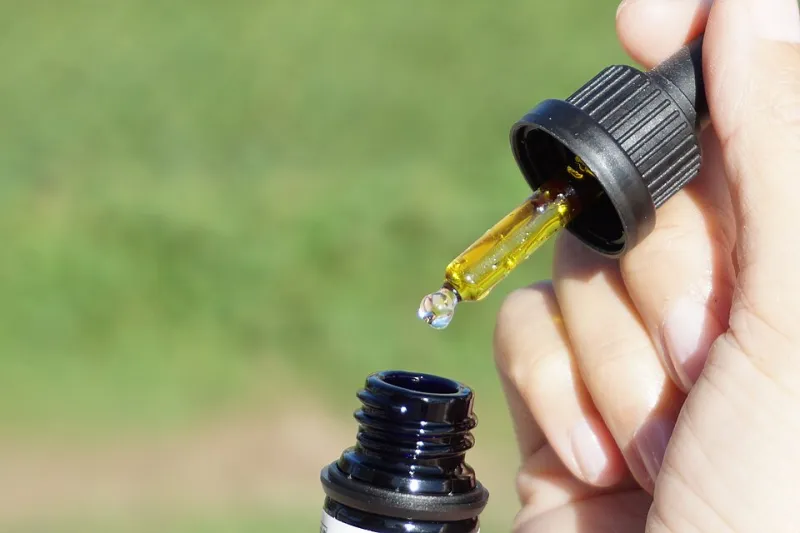
Photo: Elsa Olofsson, CC BY 2.0, via Wikimedia Commons
It's 8 November 2026, and in most of the UK it's already dark by a few minutes past four. The clocks went back a fortnight ago, the vitamin D reminders have started, and the CBD shelves are quietly filling up with anything that can be marketed as "winter wellness". If you've found yourself eyeing a bottle and wondering whether it might take the edge off the seasonal slump, you're not alone. The question worth asking is simpler and less exciting: what does the evidence actually support, and what should you check before you start?
Why the winter slump sends people to the CBD shelf
Seasonal affective disorder — SAD — is a real and recognised pattern of low mood that tends to arrive in autumn and lift in spring. It's not just "hating winter". For some people it's mild; for others it's debilitating. And because it's linked to light, routine and brain chemistry rather than a single switch, it attracts all sorts of products hoping to look like part of the answer.
CBD is one of them. It's legal to sell in the UK, widely available, and often described in language that sounds calming and vaguely medical without quite crossing the line. That combination makes it an easy thing to reach for when the days get short. But "easy to buy" is not the same as "proven to help", and the gap between those two things is where a lot of winter money gets spent.
What the evidence actually says (and doesn't)
Let's be clear about the state of the research. CBD has been studied far more for epilepsy, anxiety, sleep and some types of pain than for seasonal affective disorder. When it comes to SAD specifically, the evidence is thin — not necessarily negative, just thin. There isn't a robust body of UK or international trials showing that CBD treats seasonal low mood, and the studies that do exist tend to be small, short or focused on other conditions.
That doesn't mean nobody feels calmer after taking it. People do report that. But reported calm is not the same as a demonstrated treatment effect, and it's easily influenced by expectation, routine and the simple act of doing something. If you're buying CBD because you want to feel more like yourself in November, it's worth being honest that you're making a low-evidence choice, not a clinically proven one.
The advertising rulebook: what a UK CBD brand can and cannot say
This is where the UK rules matter. CBD is not a licensed medicine. Under the MHRA framework, a product that makes medicinal claims — that it treats, prevents or cures a condition — is edging into medicine territory and needs the corresponding authorisation. The Advertising Standards Authority and the Committee of Advertising Practice take a similar line: claims need to be substantiated, and implying that a CBD product can treat SAD or depression is not on.
So when you see wording like "helps you cope with the winter blues" or "supports a brighter mood", read it carefully. Some of that is permitted wellness language; some of it is wishful thinking dressed up as science. If a brand promises to banish seasonal depression, that's not a good sign — it's a marketing red flag. Also check whether the product is on the FSA's novel food register, which is the basic due-diligence step for any CBD edible or oil sold legally in the UK.
The interaction risks worth knowing before you self-medicating a slump
Here's the part that rarely makes it onto the product page. CBD interacts with the liver enzymes involved in breaking down a lot of common medicines, and that can change how much of a drug stays in your system. The classic examples include warfarin and other blood thinners, epilepsy medicines such as clobazam and valproate, some immunosuppressants, and certain antidepressants and sedatives. CBD can also add to drowsiness when combined with alcohol or other sedating medicines.
None of this means CBD is dangerous for everyone. It means the decision isn't neutral, especially if you're already taking something. If you're on prescribed medication — particularly anything with a narrow therapeutic window — talk to a pharmacist or your GP before you add CBD to the mix. And if you're pregnant, breastfeeding, or managing a serious mental health condition, that conversation matters even more.
What to actually do: a sensible winter checklist
- Talk to a pharmacist or GP first, especially if you take prescription medicines or your low mood is affecting sleep, appetite or daily life. A pharmacist can check interactions in minutes.
- Use the evidence-based basics. A light box used in the morning, regular daylight walks, a consistent sleep routine and UK-appropriate vitamin D supplementation are the boring, well-supported options. They deserve a place before any bottle.
- Don't stop prescribed treatment to try CBD instead. That includes antidepressants. If you want to change medication, do it with your prescriber.
- If you do try CBD, start low and keep a note. Choose a product from the FSA novel food register, check the actual CBD content per drop or capsule, and record what you take and how you feel for a couple of weeks.
- Set a review date. If there's no clear benefit after two or three weeks, or you notice side effects like drowsiness or stomach upset, stop. CBD isn't a supplement you have to persevere with.
- Treat worsening mood as a medical matter. If you have thoughts of self-harm or feel unable to cope, contact your GP urgently or call NHS 111. CBD is not the right tool for that moment.
Winter in the UK is long, grey and genuinely hard for some people. CBD might be part of your routine, but it isn't a lamp, and it isn't a treatment for SAD. The sensible move is to keep the evidence in view, check the label and the interactions, and have the conversation with someone who can see your full picture.