The Locker-Room Balm Plan: CBD Topicals for UK Gym Sessions in 2026
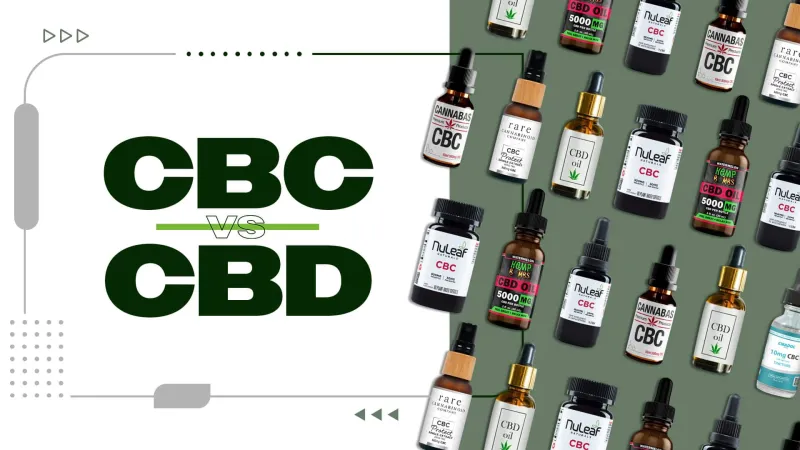
Photo: CBD balm tin in gym bag with towel and locker room background, via www.veriheal.com
CBD topicals have quietly become part of the gym-bag clutter for plenty of UK shoppers: a small tin of balm, a salve stick, maybe a patch or two. The appeal is obvious. They feel discreet, they do not need swallowing, and they slot into the post-workout shower-and-go routine. The problem is that a gym is a hot, damp, shared space, and most topical products were not designed with a locker room in mind. This is a practical guide to using them without creating a mess, irritating your skin or buying into claims that outrun the evidence.
Start with what a topical actually is
A CBD balm or salve is a product you apply to the skin. That is the simple bit. It is not a muscle rub with guaranteed recovery powers, and it is not a medicine. In the UK, CBD skincare and topical products are generally treated as cosmetics, which means the label should focus on cosmetic claims rather than treating injuries or medical conditions. If a product promises to fix a torn hamstring or cure joint pain, treat that as a marketing red flag rather than a training plan.
The useful question is narrower: does this product feel pleasant, stay where you put it and suit your skin? Everything else is secondary.
Read the label like a gym-goer, not a chemist
The first number to find is the CBD content. With balms and salves, you may see the total CBD in the tub rather than a per-application amount. A 500mg tin sounds stronger than a 250mg tin, but if the 500mg tin is twice the size, the actual concentration may be similar. Look for milligrams per gram or per millilitre if it is listed, and do not assume bigger tub equals stronger product.
For patches, check the CBD amount per patch, not just per packet. Then look at the carrier ingredients. Balms often use beeswax, shea butter, coconut oil or similar bases. Some include menthol, camphor, capsaicin or essential oils, which can create a cooling or warming tingle. That sensation is not proof of efficacy, and it can irritate sensitive skin. If you have eczema, psoriasis or reactive skin, patch-test first and keep the ingredient list simple.
Finally, find the batch code and expiry date. A batch code is your traceability line if something feels off. Photograph it before the label rubs off in your gym bag. Check the period-after-opening symbol if there is one, and do not keep a tin for years just because it still smells fine.
Sweat, friction and the adhesive reality
Patches are the most gym-friendly format on paper: no tin, no greasy fingers, no transfer to clothing. In practice, sweat is the enemy of adhesion. A patch applied to damp skin before a spin class may peel at the edges before you reach the cooldown. Apply to clean, dry skin, avoid hairy or creased areas, and do not stick one over broken skin or a fresh graze. If you are testing a patch, try it on a rest day first so you learn how your skin reacts and how well it stays put.
Balms and salves have the opposite issue: they can be too good at staying put. A little goes a long way. Rub it in properly before you put on tight gym leggings or a strap, or you will find it on the fabric rather than your skin. Avoid slathering on shared mats or benches. If you use a balm on your shoulders before a bench press, wipe the bench afterwards as you would anyway. Gym etiquette and skin hygiene overlap neatly here.
Pack it so it does not leak, melt or migrate
A gym bag is a small, warm, chaotic environment. A tin of balm left next to a water bottle and a sweaty towel is asking for trouble. Keep topicals in a sealed zip pocket or a small pouch, away from heat sources. Do not leave them in a hot car before or after training. If the product comes with a spatula, use it. If it does not, clean hands are better than a repeated finger-dip into a shared-looking tin.
Do not decant a balm into an unlabelled tub. You will lose the batch code, the expiry date and any chance of knowing what is actually in there. If you need a smaller gym-bag size, keep the original label with it or photograph the label before you travel light.
Shared changing rooms demand a bit of thought
A gym changing room is not the place for an open jar passed around. Keep your topical to yourself, close the lid and wash your hands after applying. If you use a patch, put the backing film in the bin rather than leaving it on a bench. If you are applying a balm after a shower, make sure your skin is dry and your hands are clean. None of this is complicated, but it is the difference between a discreet routine and a sticky communal annoyance.
Skin sensitivity is the other shared-space issue. A product that feels fine on your calves may sting on your neck or behind the knee. Test new topicals on a small area first, ideally when you are not about to sweat heavily. If a patch leaves redness that lasts, or a balm causes itching or a rash, stop using it. Persistent joint pain or a training injury is a conversation for a GP or physio, not a bigger tub of balm.
The post-workout claim deserves a calm read
Many CBD topicals are sold with post-workout language: recovery, soothe, unwind, repair. Some of that is harmless cosmetic framing. Some of it nudges towards medical claims the product cannot legally or scientifically support. The evidence for CBD topicals in exercise recovery is limited, and anyone who tells you a patch will replace sleep, food, warm-ups or a sensible training programme is selling something.
That does not make topicals useless. A balm can be a pleasant ritual, a way to pause and check in with a tired shoulder, or simply a product you enjoy using after a shower. Just keep the claim in proportion. If you like the feel and your skin tolerates it, that is a reasonable reason to buy. If you are buying because a label promises to erase DOMS by breakfast, you are likely to be disappointed.
A simple gym-week test plan
Try one new topical at a time. Apply it at home first, note the batch code and see how your skin behaves over 24 hours. Then take it to the gym in a sealed pocket and use it after a session rather than before a heavy sweat. Keep the application small, keep the lid on and keep your expectations modest. In a crowded changing room, the best CBD topical is the one that stays in its tin until you are ready to use it — and does not end up on the bench, the mat or your favourite towel.