The Seal Is the Line: How UK CBD Returns Really Work in 2026
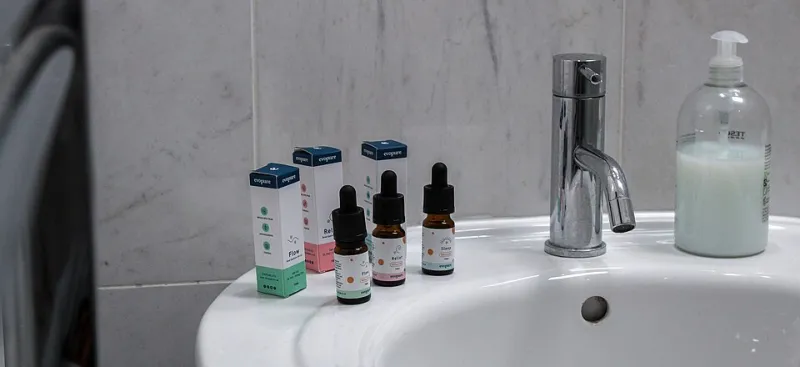
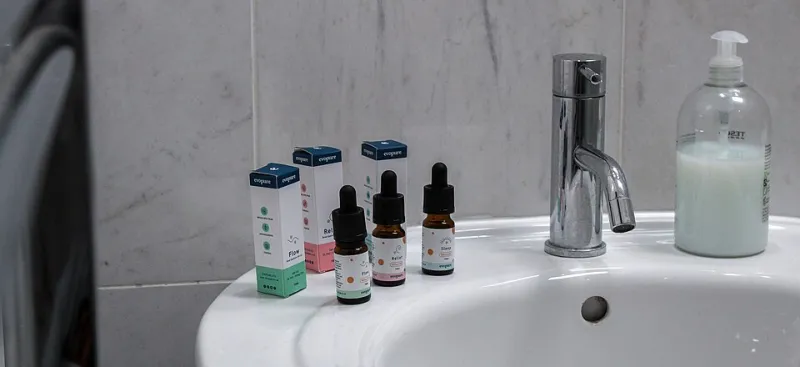
Photo: Evopure, CC BY-SA 2.0, via Wikimedia Commons
The moment before the seal breaks
Buying CBD online has a familiar rhythm: the bottle arrives, you read the label twice, then hover over the seal with a thumbnail. That little strip of plastic or foil is more than packaging. In many UK CBD returns policies, it is the dividing line between “change of mind” and “sorry, that’s been opened.”
That does not mean every sealed bottle is automatically refundable, or that every opened one is automatically refused. But it does mean the seal deserves a bit of attention before checkout — not after the first dropper has touched your tongue.
This is a shopper’s guide, not legal advice. Think of it as a pre-purchase checklist for anyone who wants the option to back out without a drawn-out email argument.
What UK distance-selling rules generally give you
When you buy CBD online as a consumer, the Consumer Contracts Regulations 2013 usually give you a 14-day cancellation window. The clock generally starts the day after delivery. You then have another 14 days to send the goods back, and the retailer should refund within 14 days of receiving them or seeing evidence that they’ve been returned.
In plain English: you can often cancel an online order simply because you changed your mind. You do not need to invent a fault. But the rules come with exceptions, and CBD sellers often lean on one in particular.
Why “hygiene” keeps appearing in the small print
Many CBD oils, capsules and sprays are products you put in your mouth or on your skin. Retailers may treat opened items as hygiene-sensitive. Under the distance-selling rules, there is an exception for sealed goods that are not suitable for return for health protection or hygiene reasons — if the seal is broken after delivery.
That is why so many CBD returns policies say something like: “Unopened and sealed items only.” It is also why the definition of “sealed” matters. Is it the outer carton? The bottle cap? A tamper-evident band? A shrink-wrap sleeve? A retailer that counts a missing outer box as “opened” is taking a stricter line than one that only cares about the bottle seal.
Check that wording before you buy. If the policy is vague, ask. A quick email before checkout is less painful than a returns dispute later.
The restocking fee question
You may see “restocking fee” in a returns policy and assume it is a standard right. It is not a magic charge a retailer can invent for every return. Under the cancellation rules, a trader can generally deduct an amount for diminished value caused by handling that goes beyond what is necessary to check the goods. A blanket “£5 restocking fee” on a properly cancelled, unopened order is a different thing from a deduction for damage or excessive handling.
Return postage is separate. The retailer can usually require you to pay return delivery costs if it told you about that before you bought. If it did not, the position may be different. Again: the checkout page and order confirmation are the places to look.
Ask these five questions before you pay
- What counts as the seal? Outer box, bottle band, cap, foil — or all of the above?
- Who pays return postage? And is a tracked service required?
- Is there a fee for returns? Ask whether it is a restocking fee or a diminished-value deduction, and when it applies.
- How do I cancel? A clear email or online form is better than a phone call you cannot prove.
- Do sale items, bundles or gift sets follow the same rules? Some policies get surprisingly creative around discounted stock.
If the answers are buried in a FAQ page, screenshot or save the order confirmation. Future-you will be grateful.
Test a brand without ordering a full bottle
If you are new to a brand, the safest route is often not a 30ml bottle at full price. Look for a small travel size, a sample sachet, a starter pack or a capsule blister that lets you check the label, smell and texture without committing to a full-size tub. Not every brand offers this, but it is worth filtering for.
Before opening anything, read the label and the batch information. Check the CBD amount per serving, the carrier oil, any flavourings and the recommended storage. If the product arrives damaged or the seal is already broken, photograph it immediately and contact the retailer before use. That is a different situation from changing your mind.
If you do want to return something
Keep the outer packaging and any inserts until you are sure you are keeping the product. Contact the retailer in writing, state that you are cancelling under your distance-selling rights if that applies, and follow their return instructions. Do not simply post a bottle back without a reference number if they have asked for one.
And be realistic: if you have opened and used an ingestible CBD product, many retailers will refuse a change-of-mind return. That may be frustrating, but it is exactly why the seal matters so much before you break it.
The bottom line
The best returns policy is the one you read before the bottle arrives. Check the seal definition, the postage cost and the fee wording at checkout. If you are testing a new brand, start small. And if the policy feels evasive before you have paid, assume the returns process will feel even more evasive afterwards.